

Around 1 in 4 adults in the UK are living with obesity. This is a long-term condition which increases the risk of getting other health problems like diabetes and heart disease. It can also lead to stroke and cancer.
Losing weight can take time and involves a combination of changes to diet, exercise and lifestyle. For some people slimming injections like Mounjaro and Wegovy can help support with their weight loss. While these new drugs have transformed obesity treatment, many users have to pay for the injections themselves. For many, injections are only a short-term solution. If their medication is stopped, studies show people can regain their weight.
Research continues to find new, effective and sustainable ways to help people to lose weight and maintain a healthy weight for longer.
A weight loss pill that expands in the stomach to prevent hunger
Researchers are piloting a new sponge-like pill to prevent hunger. It could also help people who stop taking slimming injections regain weight. When swallowed, Sirona expands in the stomach to make you feel full faster. It remains there for several days before safely breaking down and passing through the digestive system.
In research across Southampton, Bristol and Milton Keynes, participants who were given the pill ate 400 fewer calories per day. People with a BMI between 30–35, who were given the pill lost an average 6.4% of their body weight in six months.
.png)
What about supplements – can dietary fibre help suppress appetite?
Some studies suggest fibre supplements can reduce hunger and prolong feelings of fullness. To test this, researchers in Glasgow are looking at whether beta-glucan, a soluble fibre, can help people to lose weight. Beta-glucan is naturally found in foods like oats and barley.
The trial is looking at whether beta-glucan with a low-calorie diet can help people to reduce their body fat and their weight. It will also look at the effect on hormones that regulate appetite.
Gastric bypass is the most effective form of surgery for weight loss
For some people with obesity, surgery is suggested by their doctor as the most effective option. Around 5,000 people will undergo bariatric (weight loss) surgery every year in the UK. In the largest trial of its kind, researchers compared gastric bypass surgery - where a small pouch is made at the top of the stomach to restrict the amount of food you can eat - with two other types of surgery for weight loss. These were adjustable gastric banding and sleeve gastrectomy.
The trial found that more than two-thirds of people who had bypass surgery lost at least half of their excess weight after three years. Bypass surgery was also the most effective at helping people in the trial to reduce their risk of developing high blood pressure or diabetes. Overall, people in the trial lost an average 26.5kg (just over 4 stone) of their total weight - around 20%.
Losing weight is better tackled together than on your own
Weight loss programmes often work with people in groups in their village hall or community centre. Researchers looked at how effective this approach is compared with one-to-one weight loss sessions. They found that people with obesity are more likely to lose weight if they attend group sessions.
People attending group sessions had more support from a clinician, as well as from others in the group who were either overweight or obese. Compared to one-to-one sessions, people in group programmes lost on average 1.9kg more weight. They were also more likely to lose at least 5% of their body weight - enough to make a difference to their health.
What are the long-term benefits of slimming injections?
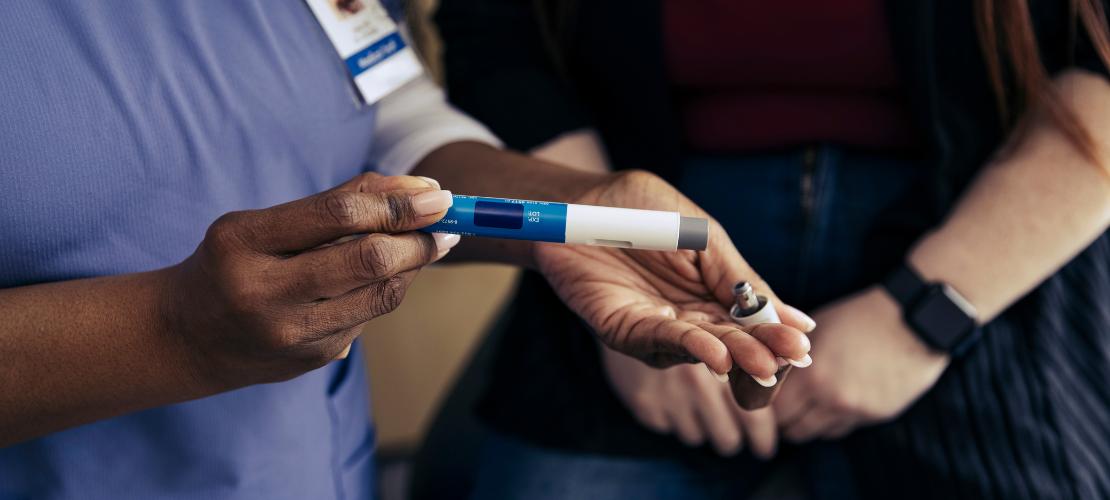
Because obesity can lead to other health conditions, treatments must help to prevent them too. Research continues to look at the long-term benefits of slimming injections and other weight loss drugs.
GP surgeries across Manchester are recruiting for a trial of a slimming injection called Tirzepatide. This works similarly to other drugs to help control appetite and blood sugar. The SURMOUNT-REAL UK trial will help to find out whether the drug prevents people with obesity from developing type 2 diabetes. It will also help to understand its effect on weight and long-term health. The results will guide a decision on whether this class of drugs can be rolled out into the NHS.
The slimming injections currently available are not suitable for everyone. Future studies are planned to test new drugs that work in different ways or can be taken by mouth. These would give people even more options for managing their weight and improving their health.
Join a weight loss trial:
Studies on weight loss are currently recruiting participants through Be Part of Research include:
- LightBAR – Are low-energy diets sustainable and cost effective? (Recruitment closes December 2026)
- SURMOUNT-ADOLESCENTS-2 – Assessing Tirzepatide for weight loss in 12–17 year olds (Recruitment closes October 2027)
- Investigating and optimising physical function in weight loss (Recruitment closes October 2028)
- A study of retatrutide in participants with obesity or overweight (Recruitment closes July 2027)
How you can get involved with research
Sign up to Be Part of Research to be contacted about a range of health and care research. Or check out our full list of studies to see if one is right for you.
And if taking part in a study doesn’t feel right at the moment there are other ways to get involved in research.

.png)