


We all know that staying physically active is good for us. Keeping active can reduce your risk of heart disease, stroke, diabetes and cancer. People who stay physically active reduce their risk of an early death by 30%.
Keeping active can also be good for your mental health. Physical activity means you are less likely to develop conditions like depression, anxiety and dementia. It can boost your self esteem and your mood. It can help you sleep better and feel more energetic. It can also reduce your stress levels.
But how active do we need to be to reap these benefits?
How much physical activity is enough?
The government recommends at least 2 and a half hours of moderate physical activity or an hour and a quarter of vigorous physical activity each week. This should include strength activity twice a week.
But research shows us that you can start to reap the health benefits of physical activity even after relatively small amounts.
One study, which combined the results of 196 trials involving over 30 million adults, found that even an hour and a quarter of moderate physical activity each week will reduce your risk of early death, cardiovascular disease and cancer. That’s just 11 minutes a day of brisk walking, for example. Though the more activity you do – up to 5 hours a week – the greater the benefits.

Small steps reap big benefits
We’re often told to aim for 10,000 steps a day, though that isn’t official guidance. In fact, there’s been plenty of research looking at how many steps can bring health benefits.
One analysis of data from the UK Biobank found that up to 9000 steps a day is linked to a lower risk of cancer. The study looked at data from over 85,000 adults to see how active they were. The researchers also looked to see how many got cancer over a 5-year period. Those who were most active had a 26% lower risk of getting cancer. The more active, the lower the risk – up to 9000 steps a day. After that, there were limited additional benefits.
But even fewer steps can make a difference with other health conditions. Walking 7000 steps a day will ensure you have a lower risk of conditions such as heart disease, dementia and depression than if you take just 2000 steps a day. This finding is based on an analysis of 88 different studies from around the world.
Small step numbers can also slow down the progression of Alzheimer’s disease, according to another study. The researchers looked at data from just under 300 adults, who had high levels of a protein in their brain that’s linked to Alzheimer's but no symptoms of the disease. The researchers followed them over 14 years, to see whether there was a link between the amount of physical activity they did and how quickly their Alzheimer’s progressed. They found that walking at least 3,000 steps a day was able to slow progression of the disease. The effect plateaued out at between 5000 to 7500 steps a day.

Why you should snack on exercise not food
Most people don’t manage to do the recommended amount of physical activity each week. This can be because they find it hard to find the time. Researchers are looking at ways to make it easier for people to fit physical activity into their lifestyle. One study that ran in 2025 looked at the idea of ‘snacktivity’. The researchers encouraged people to do small physical activity ‘snacks’ throughout the day in order to achieve the recommended 2 and a half hours a week. The study is seeing whether this can still bring the same health benefits while being easier for people to maintain.
Can you do exercise without moving?
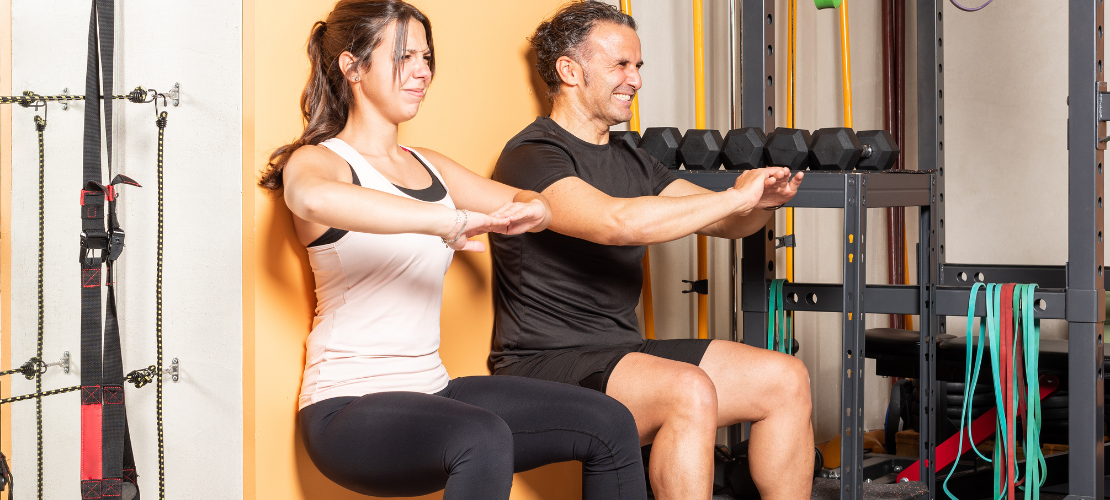
Even some static exercises are thought to bring health improvements, such as lowering blood pressure. Static or ‘isometric’ exercises include the plank or wall squats. One study analysed 270 different trials and found that isometric exercise can reduce standing blood pressure. This is now being tested further in a UK trial.
So is it worth getting off the sofa?
The recommended amount of physical activity is the ideal. But if you’re not managing that, then any small increase from your current level is worthwhile. If you’re not active at all, then even 5 minutes of moderate or vigorous activity can bring benefits. So, it’s worth getting active as much as you can.
Join a study on exercise:
- A Combined Exercise Programme Involving Strengthening, Flexibility and Aerobic Exercise for Lower Back Pain (Sep 2026)
- Pulmonary Hemodynamics During Exercise - Research Network (December 2029)
- Virtual Reality-Supported Exercise for Chronic Shoulder Disorders (November 2026)
- Effect of Exercise on Appetite in Response to Meals (October 2026)
- Personalised exercise rehabilitation for people with multiple long-term conditions: Main Trial (July 2026)
Use our study search tool to find a study that interests you.
How you can get involved with research
Sign up to Be Part of Research to be contacted about a range of health and care research. Or check out our full list of studies to see if one is right for you.
And if taking part in a study doesn’t feel right at the moment, there are other ways to get involved in research.