
Men in the UK typically have worse health than women. From their teenage years through to their 40s, men are also less likely to see GPs or other health professionals. Contraception, cervical screening and then childbirth mean many women have regular contact with health services in ways that men do not.
There are also differences in mental health between men and women. Men are more reluctant to discuss their mental health or get help than women. They are also three times more likely to die from suicide.
Researchers across the UK are working on projects to improve men’s health, from community-based fitness programmes to innovative fertility treatments and groundbreaking new approaches to prostate cancer screening. Below are just a few examples of studies tackling key health challenges faced by men.
Getting to the gym can boost your mental health
In the past five years, young men’s mental health has declined nationally, especially in those from the North of England. But little is known about how young men manage their mental health and how and where they get help.
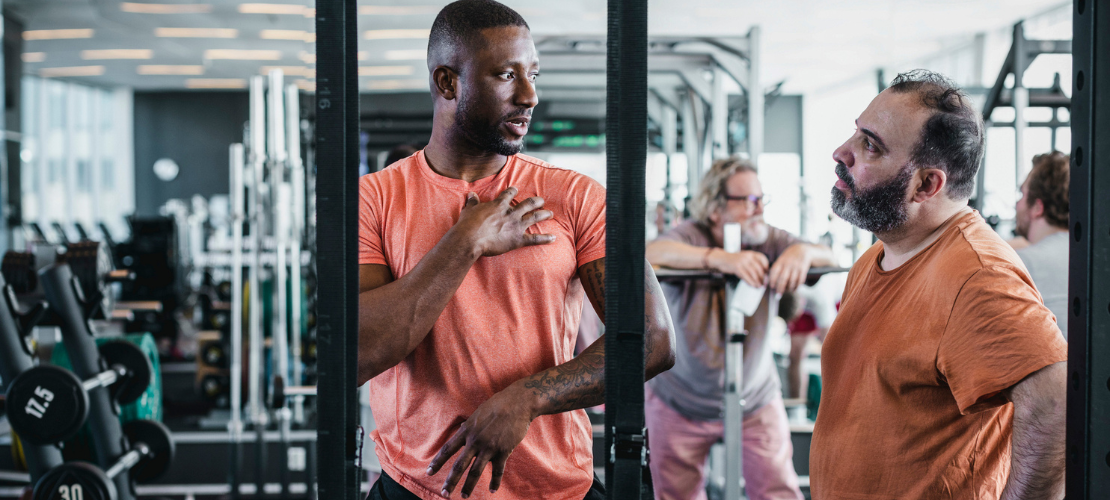
Researchers from the NIHR School for Public Health Research spoke to young men at a community gym in South Yorkshire to learn more. The men they spoke with said they felt more comfortable talking about their mental health in informal settings, like gyms or youth clubs. Gyms are not typical mental health services, and this can take away the stigma attached to getting help - allowing men to be more honest in their conversations. The researchers hope their findings can guide new ways to deliver mental health support to young men.
.png)
Losing weight through football training
Rates of overweight and obesity are far higher for men than women in the UK. They are also set to increase at a faster rate than female obesity in the next 40 years.
Football Fans in Training (FFIT) is a free, 13-week weight-loss programme that is set up like a football match over two 45-minute sessions. Both men and women can take part, if they are aged 35-65 and overweight or obese. The first session focuses on diet and nutrition. The second gets people active in a fun way, with light exercise sessions inside the stadium. An NIHR evaluation of FFIT found it can support significant and sustained weight loss. The programme can also improve diet and physical activity and proves that creative, fun programmes can help people to lose weight. FITT is delivered through 19 Scottish Professional Football League clubs across the UK.
Can diet supplements improve sperm quality?
1 in 7 couples in the UK have difficulties conceiving a child; around 30% of fertility issues sit purely with men. Issues like a low sperm count or problems with the testes mean some men are unable to conceive.
Researchers in Sheffield are investigating whether lycopene – an antioxidant found in cooked tomatoes – can increase sperm quality. The researchers want to see if it’s possible to increase the proportion of healthy shaped sperm and boost fast swimming sperm in men who take the supplement. If the pilot study is successful, it could lead to a much bigger trial and, the researchers hope, a new outlook for men with fertility problems.
.png)
Prostate cancer – what’s the best way to get diagnosed?
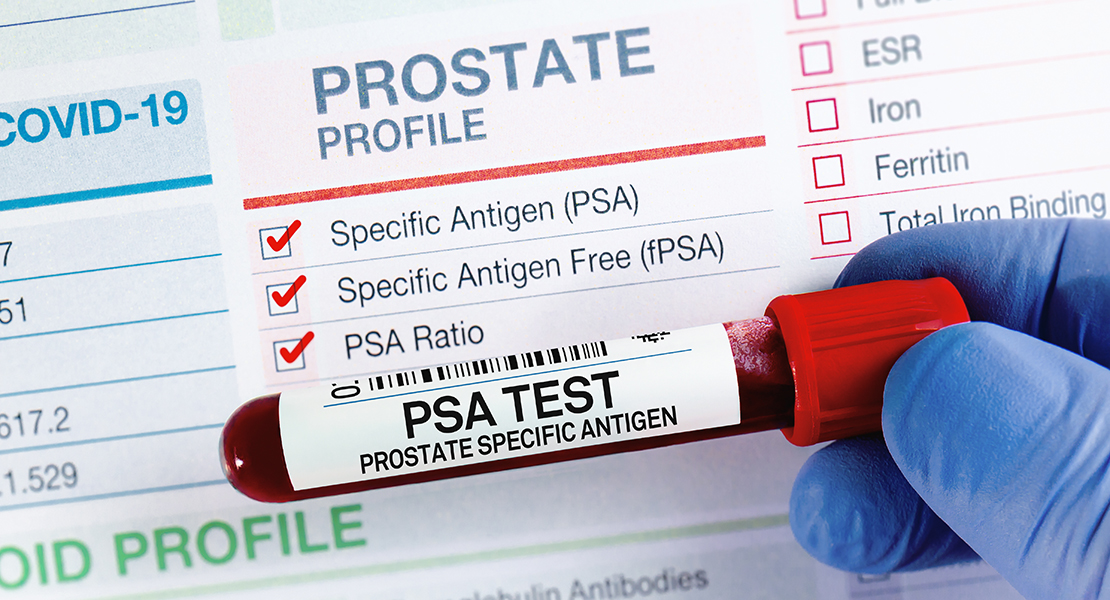
1 in 8 men will get prostate cancer in their lifetime. It is the most common cancer in the UK without a routine screening programme to help diagnose it early. Prostate cancer usually has no symptoms at all - until it has spread and become incurable. 12,000 men die of prostate cancer each year, and Black men have double the risk of getting it.
The TRANSFORM Screening trial aims to reduce prostate cancer deaths by up to 40%. The trial is comparing the most promising tests to diagnose prostate cancer earlier. It is recruiting hundreds of thousands of men across the UK, including many thousands of Black men. TRANSFORM is the biggest prostate cancer screening trial for 20 years and is supported by Prostate Cancer UK.
For men who undergo surgery for their prostate cancer, this comes with the risk of affecting erectile function. To help tackle this, the NEUROSafe PROOF study piloted a new surgical technique in hospitals across the UK. The technique was found to preserve erectile function in twice as many men compared with other surgical approaches.
Join a study to help improve men’s health:
- THERApy de-escalation for TESTicular cancer
- Genetic Links to Anxiety and Depression (GLAD) – the world’s largest study of anxiety and depression
- The PROFILE Study – looking at the risks of prostate cancer in men with a family history of the disease
- A comparison of two treatments to reduce prostate size and symptoms in men with benign enlargement
Use our study search tool to find a study that interests you.
How you can get involved with research
Sign up to Be Part of Research to be contacted about health and care studies that match your interests. Or check out our full list of studies to see if one is right for you.
And if taking part in a study doesn’t feel right at the moment there are other ways to get involved in research.