
Prostate cancer is the most commonly diagnosed cancer in men in the UK. It is also the second most common cause of cancer death in men in the UK.
Prostate cancer survival in the UK has improved significantly. Many men with advanced disease now live twice as long as a decade ago. This is partly due to improvements in treatment developed through research.
Research is always looking into new ways to improve treatment options. The aim is to ensure men can lead a better life, with fewer side effects or risk of their cancer returning.
Monitoring low-risk cancers
Before deciding on what treatment is best, clinicians will look at where the cancer is. They will see if the cancer is localised (only within the prostate gland) or metastatic (spread to other parts of the body). They will also assess how fast the cancer is likely to grow and spread.
Active surveillance is a way of monitoring slow-growing cancer rather than treating it straight away. This is the preferred option for low-risk patients with localised cancer, as it is unlikely to spread or cause harm within their lifetime.
The ProtecT trial showed that patients on active surveillance were no more likely to die from prostate cancer. After 15 years, they were as likely to still be alive as patients who had surgery or radiotherapy. 25% of men on active surveillance didn’t need any further treatment and so suffered no side effects.
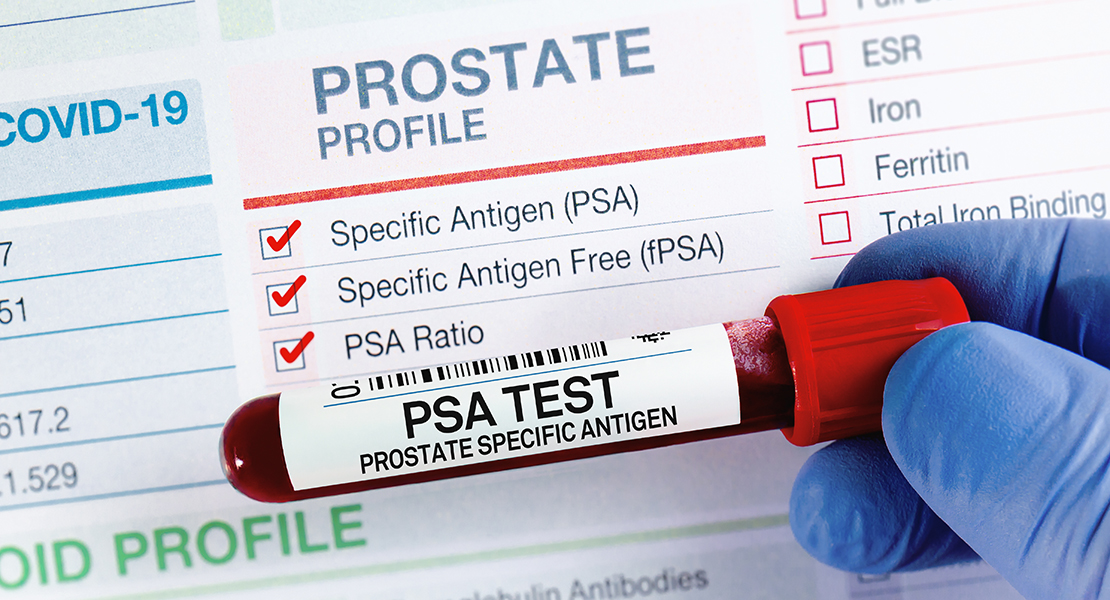
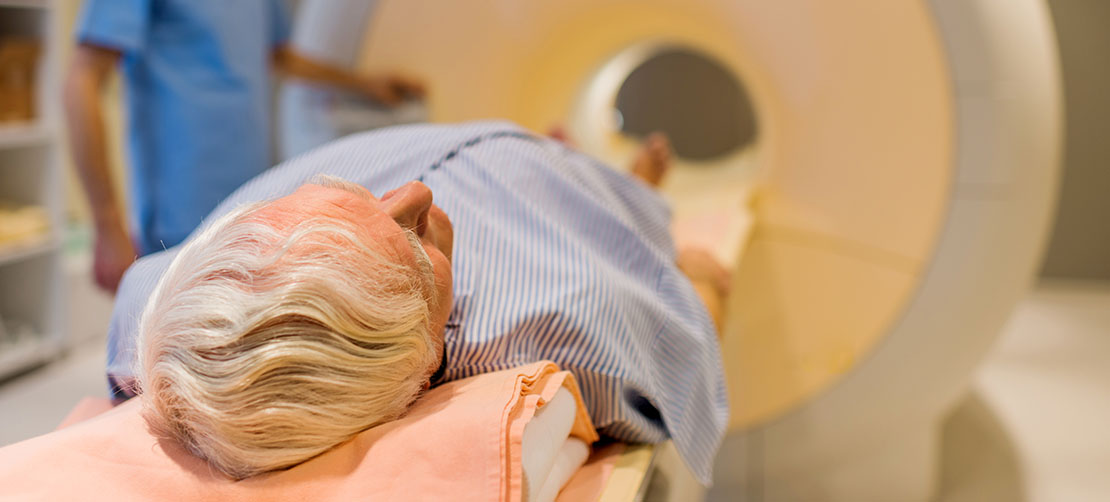
The results of the trial have influenced official treatment guidelines. These now recommend that men with low-risk, localised prostate cancer have regular PSA tests and other tests, like an MRI scan, every year or so.
A new trial called IP9-ATLAS is now looking at whether more regular MRI scans are better at spotting when a cancer has progressed.
Some cancers are more aggressive than others. A study, called TAPS02, is looking to see if active surveillance could be expanded to men with a higher risk of cancer spreading.
Researchers are also looking at whether it’s possible to find out which cancers are more likely to grow through a simple urine test.

Improving surgery and radiotherapy
For some patients diagnosed with localised prostate cancer, there’s a higher risk it could spread to other parts of the body. For these ‘intermediate risk’ patients, the main treatment options are surgery and radiotherapy.
These treatments can have side effects, such as difficulty getting an erection or controlling when you wee. But with new techniques developed through research, these are becoming less likely or less severe.
One surgical technique is NeuroSAFE. This involves freezing and examining the prostate after it’s been removed to see if any cancer cells were missed. This allows surgeons to limit how much of the surrounding nerve tissue they remove. In a recent trial, the technique enabled almost twice as many men to keep the ability to have an erection, compared to men who had standard surgery.
There are several trials of other surgical techniques. One involves using high-pressure water jets to remove only the cancerous parts of the prostate and avoid the areas responsible for ejaculation and urination. Another looks at whether removing pelvic lymph nodes leads to better outcomes (ELIPSE).
Nearly half of all prostate cancer patients receive radiotherapy as part of their treatment. The PROSECCA study is using AI and patient records to devise ways to personalise radiotherapy treatment. The researchers hope this will reduce any side effects caused by damage to healthy, normal tissues.
A study, called PACE-B, found that it was possible to give fewer but larger amounts of radiotherapy at each visit (ultra-hypofractionation), over a shorter period of time. Doctors could then complete the treatment within 2 weeks, rather than over 4 weeks. They used a more advanced, accurate radiotherapy technology (called SBRT). They found this was no more toxic than treating the cancer as moderate hypofractionated radiotherapy over 4 weeks.
The NIHR is also invested in finding better ways to diagnose prostate cancer. The £42m TRANSFORM trial, co-funded with Prostate Cancer UK, is testing cutting edge techniques, including blood tests, genetics, and MRI scans, to find the best way to test men for the disease.
Join a study into prostate cancer
- Urine Biomarkers for detecting prostate cancer (open until December 2029)
- Approaches to long-term active surveillance of patients with prostate cancer (IP9 – ATLAS) (open until July 2027)
- TherApeutics in Early ProState Cancer (TAPS02) (open until October 2029)
- Focal Therapy for Prostate Cancer Using HIFU (open until December 2028)
- WATER IV Prostate Cancer - using high pressure water ablation surgery (open until July 2027)
- Study of Opevesostat (MK-5684) Versus Alternative NHA in mCRPC (MK-5684-003) (open until August 2028)
- Understanding Prostate Cancer Stigma in Black Men (DESTIGMATISE) V1.0 (open until February 2030)
- A clinical trial to find out if using the findings from PSMA PET scans to escalate treatment can improve cancer control in patients with high-risk prostate cancer - AVIDITY trial (open until February 2028)
There are over 100 studies underway into prostate cancer. Find more trials here – Prostate cancer studies in all locations – or use our study search tool to find a study that interests you.
How you can get involved with research
Sign up to Be Part of Research to be contacted about a range of health and care research. Simply let us know which conditions interest you, and you’ll be sent information on how to take part in studies near you.
And if taking part in a study doesn’t feel right at the moment, there are other ways to get involved in research.