

Around 110,000 people in England have a stroke each year. About a third of survivors will have aphasia. This is a language and communication disorder usually caused by damage to the left side of the brain.
Speech and language therapists work with patients and their carers to help them improve their speech and use alternative ways of communicating. However, people with aphasia often want more therapy than is available.
Most people make some improvement with speech and language therapy. Some people even recover fully. However, speech and language therapy is resource-intensive. It can be difficult to obtain in large doses over a long period of time in the NHS. Some small studies have suggested that computerised therapy might be an effective way to provide additional therapy for those who need it.
The NIHR-funded Big CACTUS study looked at the clinical and cost effectiveness of aphasia computer treatment.
The study shows that adding computerised speech and language therapy to usual care can have some benefits for people with aphasia. It is also a relatively low-cost treatment. The study recruited 278 adults with aphasia from 20 NHS trusts in the UK.
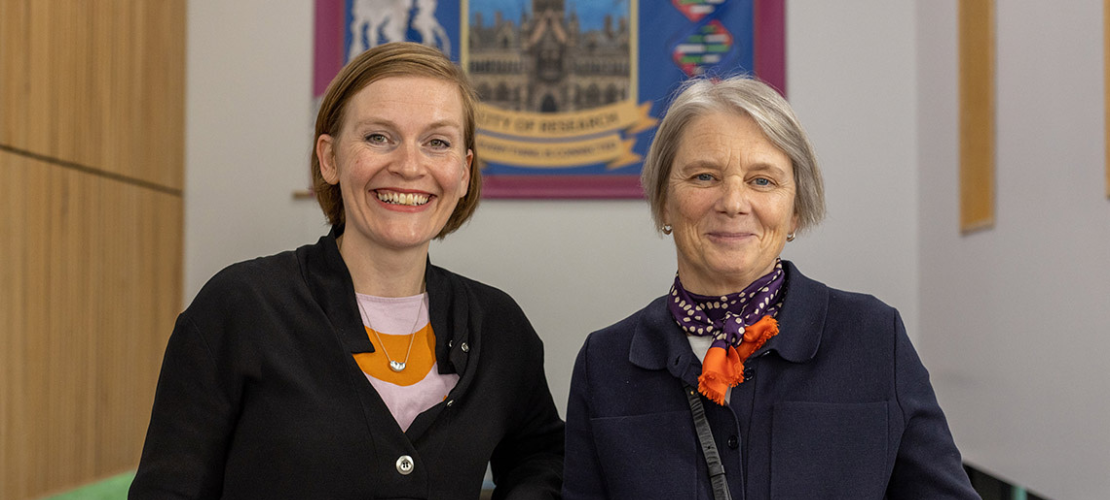
The study was led by Dr Rebecca Palmer, a Reader in Communication and Stroke Rehabilitation at the University of Sheffield.
In this podcast, we talk to Dr Rebecca Palmer about the Big CACTUS study and what she learnt.
This podcast was hosted by Turi King, Professor of Public Engagement and Genetics at the University of Leicester.
Listen to the podcast on YouTube, Spotify or Apple Podcasts below.
Read a full transcript of this episode.
How you can get involved with research
Sign up to Be Part of Research to be contacted about a range of health and care research. Or check out our full list of studies to see if one is right for you.
And if taking part in a study doesn’t feel right at the moment, there are other ways to get involved in research.