


Around 1 in 5 young people aged between 8 and 25 years’ old are thought to have a mental health problem, according to an NHS survey. In children under 16, rates of mental health problems were similar between boys and girls. For 17–25-year-olds, rates were twice as high for young women than young men.
We know that most life-long mental health issues in the UK start before the age of 25. Mental health outcomes for today’s children and young people are thought to be worse than in previous generations.
Mental health research can help to identify some of the reasons behind anxiety and depression in young people and how to ensure they get the best treatment possible.
‘Problematic’ smartphone use leads to anxiety
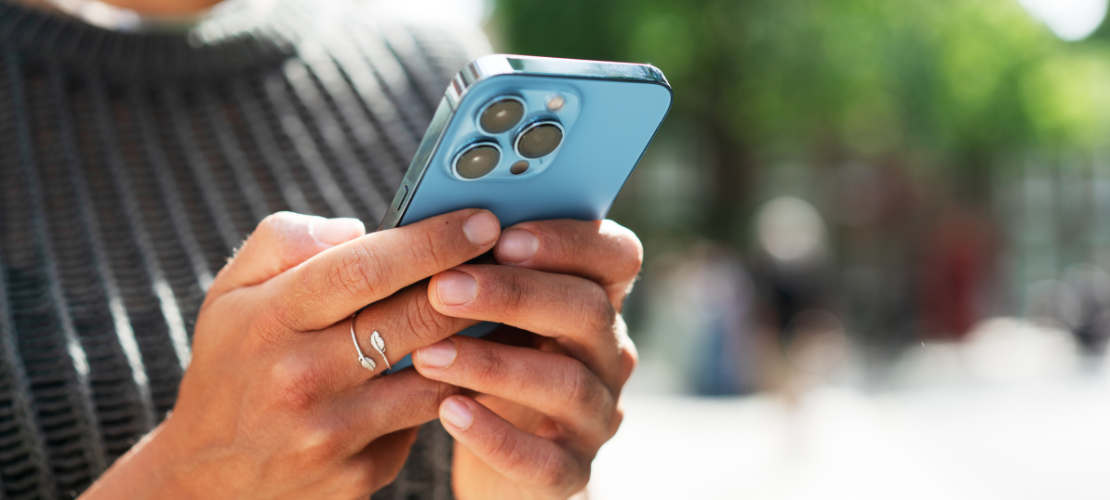
If you feel panicky when your phone is out of reach and can’t control the amount of time you spend on it, you may have what’s called ‘problematic smartphone use’ or PSU.
PSU shows many of the same features as an addiction. An NIHR-funded study found that teenagers with PSU were twice as likely to be anxious as those with a healthier relationship with their phone. They were also nearly 3 times more likely to be depressed.
The researchers also found most teenagers were aware of the risks and wanted to better manage their phone use.
The most effective strategies to reduce phone use were:
- To put phones on ‘do not disturb’ or turn off notifications
- To put the phone in a different room at bedtime
- Restricting access or locking the phone away were the least effective
Many teenagers don’t seek help for anxiety and depression
A third of teenagers with anxiety and depression don’t seek help and neither do their families. Researchers spoke to teenagers in this position to understand why.
They found that many teenagers and their families found it hard to distinguish anxiety or depression from typical teenage experiences. Some teenagers said they were embarrassed about the problem and scared of what others might think, so were reluctant to talk about it.
The study also found that teenagers, especially boys, wanted to show they were self-reliant and able to manage on their own. They were unsure what support would be available and sometimes ‘too proud’ to ask for help. The researchers also found that they needed parents and teachers to step in, as teenagers rarely sought help independently.

Doing what you love can be the best therapy
When young people – or adults – are depressed, they can struggle to do everyday things. Behavioural activation (BA) is a treatment that can help. It involves helping people plan and do things that matter to them, like their hobbies or keeping in touch with friends.
Research shows that BA treatment can be effective in adults, but there have not been enough studies in children. One advantage of BA is that non-specialist nurses and doctors can be trained to deliver it, so more people can access it.
Researchers have been looking at whether BA works with children when delivered partly in the clinic and partly over a video call. They want to see whether this kind of treatment can help young people while they are waiting to see a specialist mental health doctor. Waiting times can sometimes be very long.
Antidepressants for children and teenagers: what works?
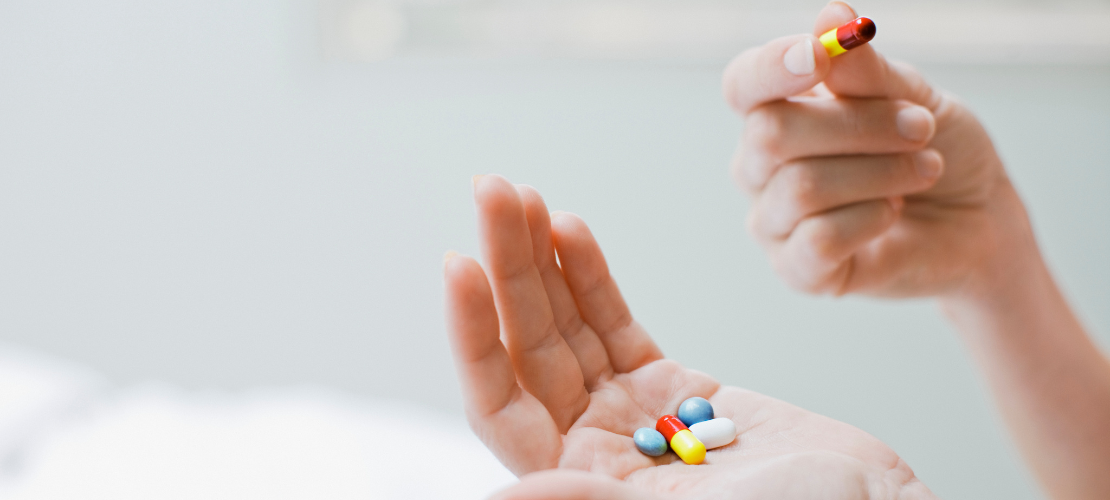
Thousands of children and teenagers in the UK are taking antidepressants for depression and anxiety.
The guidelines for treating depression say that children should be assessed by a specialist first, and that antidepressants should only be taken alongside psychological therapies. Researchers found that, in practice, this often doesn’t happen.
However, researchers also found that fluoxetine (Prozac) which can be prescribed the UK for children is the most effective for treating depression and some forms of anxiety.
The study analysed the results of 26 different trials. It found that sertraline (Lustral), escitalopram (Cipralex), and duloxetine (Cymbalta and Yentreve) may also reduce depressive symptoms.
Join a study that’s open to children and young people under 25 or their parents:
- Genetic Links to Anxiety and Depression (GLAD) (16+ closes Sep 2028)
- Understanding the mechanisms of how behavioural sleep improvement programmes work in young adults with depression and anxiety (18-30 closes Dec 2026)
- A feasibility and acceptability study of the SIBS group programme for siblings and parents of children with mental illness (8-17 years and parents July 2026)
- Mechanisms Underlying Antidepressant Effects of Physical Activity (18-60 August 2027)
Use our study search tool to find a study that interests you.
How you can get involved with research
Sign up to Be Part of Research to be contacted about a range of health and care research. Or check out our full list of studies to see if one is right for you.
And if taking part in a study doesn’t feel right at the moment, there are other ways to get involved in research.