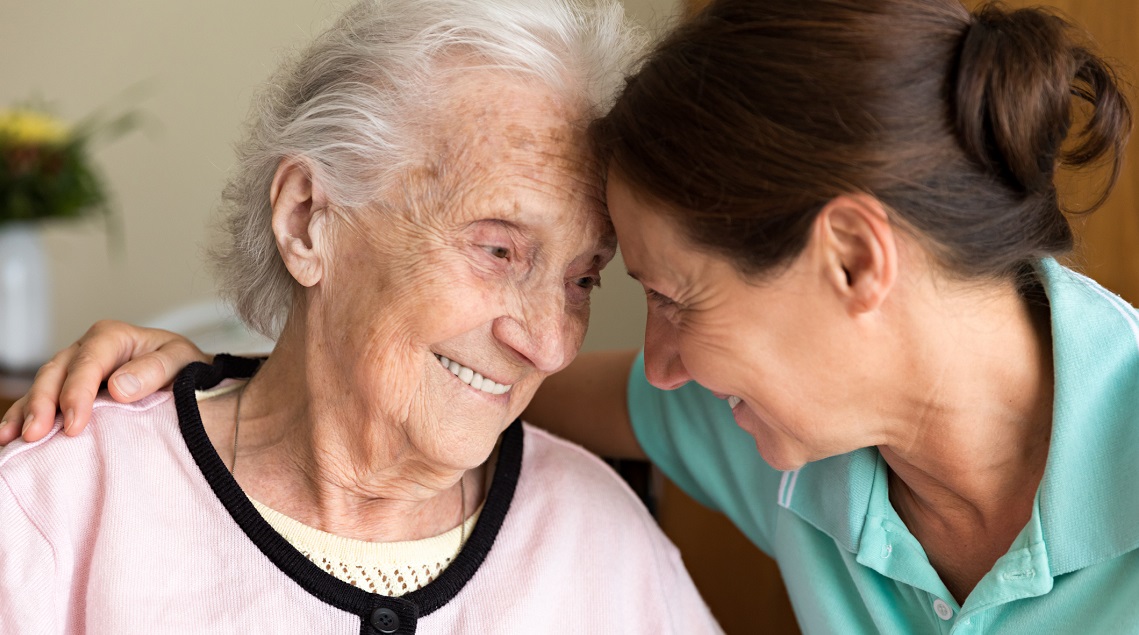


Having limited contact with friends, family or the wider community appears to be bad for your brain. That’s the consensus from many studies looking at the impact of social isolation on thinking, learning and memory.
Being socially isolated is different to feeling lonely. Social isolation is how much contact you have with others. Loneliness is how you feel. You can be socially isolated but not feel lonely.
Social isolation seems to have a negative impact on your brain – and on your wider health. Researchers have found a link between social isolation and dementia. This doesn’t mean social isolation causes dementia – it may be that the onset of dementia increases social isolation.
Social isolation can affect people at all points in their lives, but it’s most common in older adults. There are many reasons why people are socially isolated. They may live alone or have lost a partner. Ill health or disability may make it difficult to get out to social events. They may live in a remote area and not be able to drive. They may have retired or lost their job and so no longer have connections through work.
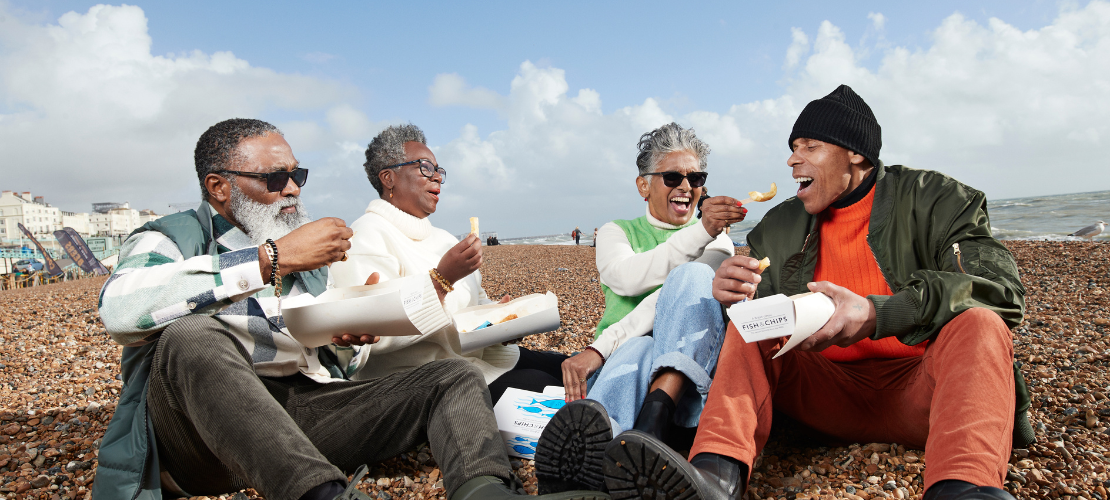
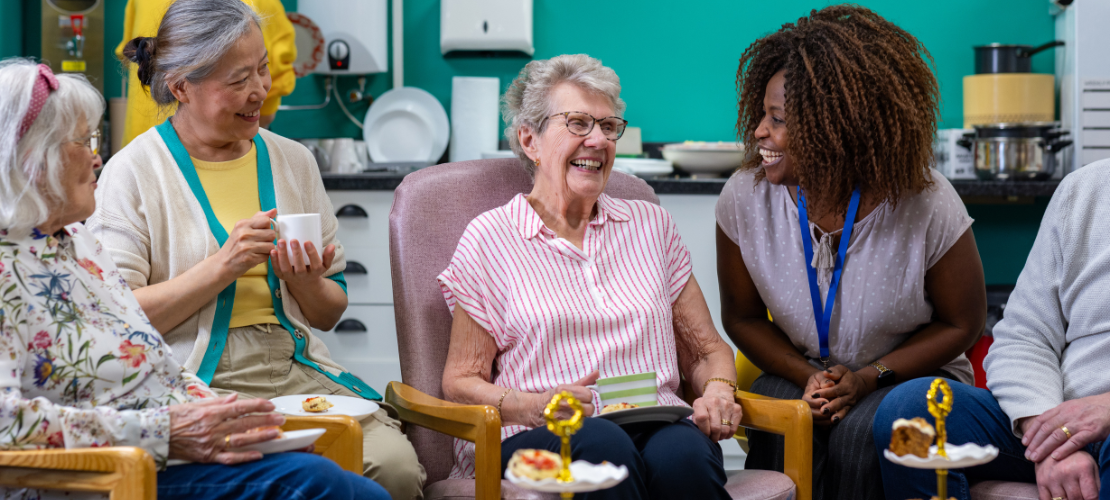
Increasing social connections may help protect your brain. Social activities are one option, such as taking classes, volunteering or joining community groups. But phone calls or video calls with friends and family also create those important human connections. Here are some of the latest findings from recent UK studies looking at social isolation and cognitive decline:
Living alone and dementia
Two studies in 2020 found that being single, widowed or divorced was linked to an increased risk of dementia. Researchers differ as to how much.
One study looked at data from over 6,600 people between 2004 and 2020. Within this group, 220 were diagnosed with dementia over this period. The researchers found those who were single, divorced or widowed were twice as likely to have developed dementia than those who were married.
Another study reviewed the evidence from 12 research projects across Europe and Asia. These involved a total of 12,600 people aged 55 or over. By combining all these projects, the researchers found that people living alone were 30% more likely to develop dementia.
Social isolation and brain volume
Researchers have found that socially isolated individuals have a smaller amount of the brain’s grey matter in various regions involved with learning and thinking. The work involved 460,000 people across the UK with an average age of 57. It found a link between social isolation and dementia, with people who had limited social contact were 26% more likely to develop dementia. However, there was no link between loneliness and dementia.

Hearing loss, cognitive decline and dementia
In another project, researchers looked at the evidence from 50 studies across the USA, Europe, Asia and Australia, involving 1.5 million people. They found that hearing loss could increase someone’s risk of dementia or Alzheimer’s disease by between 35-56%. They also found a link between hearing loss and cognitive decline. The greater the hearing loss, the greater the decline. Hearing loss has also been linked to an increased risk of loneliness and social isolation. However, the good news is that hearing loss is treatable, with the use of hearing aids.
Reducing social isolation to protect your brain
A recent study analysed 137,653 cognitive function tests taken between 2004 and 2018 by over 30,000 individuals in the USA. They found that higher social isolation caused faster cognitive decline, whether or not people also identified as lonely.
So, although the numbers might differ between studies, evidence suggests that social connection may play a role in supporting cognitive health in later life.
The Measuring Loneliness (INTERACT) study found one in 6 adults in the UK report persistent loneliness. It is investigating how loneliness and social isolation affect people across the UK. Taking part in research helps researchers better understand complex issues like this.
Join a study on social isolation or dementia
Research studies help improve understanding of conditions and potential ways to provide support in future. By taking part, you can contribute to knowledge that may help shape future research, services and support. Here are some examples:
IONA Longitudinal Cohort Study Scottish study looking at cognitive health and risk factors for dementia. (study closes Dec 2033)
Cognitive Health in Ageing Register: Investigational and Observational Trial Studies in Dementia Research (CHARIOT): Prospective Readiness Cohort (PRO) Longitudinal Study looking at cognition and biomarkers in adults 65 or older (study closes Feb 2029)
How you can get involved with research
Sign up to Be Part of Research to be contacted about a range of health and care research. Or check out our full list of studies to see if one is right for you.
And if taking part in a study doesn’t feel right at the moment, there are other ways to get involved in research.