

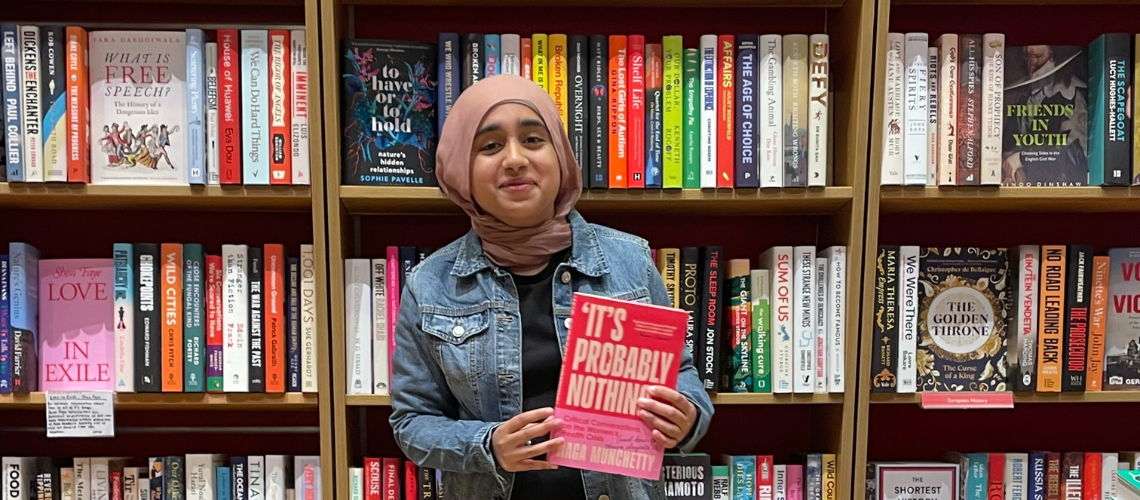
Zaynah, 19 from London, spent 3 days in hospital when she was 12 years old. At the time she was struggling to understand her symptoms, which included heavy periods and intense pain.
She said: “At the beginning I was convinced that it was just me who didn't know how to put a pad on. I would go through about 18 pads in 3 days.
“I couldn't sleep the whole night. I'd have to wake up at a certain time to change it, otherwise it would have leaked.”
Zaynah, who was diagnosed with an iron deficiency, started to feel lethargic, experience heart palpitations and lose chunks of her hair.
Zaynah had a blood test and was referred to A&E. She had lost so much blood that she needed a transfusion.
She said: “It was really confusing and no one really took the time to explain anything to me. Because I was so young everyone thought it would go away.”
And for about 2 years it did. After the blood transfusion Zaynah, who loves to bake, read and study, felt better. She was back to her curious and studious self again.
Then all of a sudden the symptoms came back - only much worse.
Zaynah said: “My iron levels dropped and I had really bad pain. But it wasn't just when I was on my period, it was all the time now.
“I thought period cramps were normal, but when I was on my period. So if I was getting them all the time then that wasn't normal. It was hard to understand.”
She was now in year 11 and working towards her GCSEs. But the pain was so bad that some days she couldn’t even make it to school.
Zaynah ended up in A&E again and was referred to a gynecologist and a haematologist.
But a long waiting list, made worse by the Covid-19 pandemic, meant it took 4 years for her to be seen.
Zaynah said: “It was really frustrating and made me really anxious. And I wasn't that person who was usually stressed out by exams. I liked going to school, I liked studying.”
Giving her pain a name
Zaynah was constantly in the nurses office at school, or visiting the GP. But at 15, she found it difficult to articulate what was wrong and was often sent home with pain killers in higher and higher doses.
In 2023, at 17 years old, Zaynah finally got the answers she was searching for. After a laparoscopy - a keyhole surgery in the pelvis - she was diagnosed with endometriosis, as well as a condition called adenomyosis.
Endometriosis is a condition which happens when cells similar to those that make up the lining of the uterus occur in other parts of the body.
It can be associated with a range of symptoms, which can vary between people and over time. Some people have debilitating symptoms and others have mild or no symptoms.
Symptoms can include pelvic pain, painful periods, heavy period bleeding, pain when pooing or peeing, pain when having sex, and fatigue.
In the UK, an estimated 1 in 10 women live with endometriosis. According to Endometriosis UK, it takes an average of 8 years 10 months from the first GP visit to get a diagnosis.
Finally Zaynah’s pain had a name. She said: 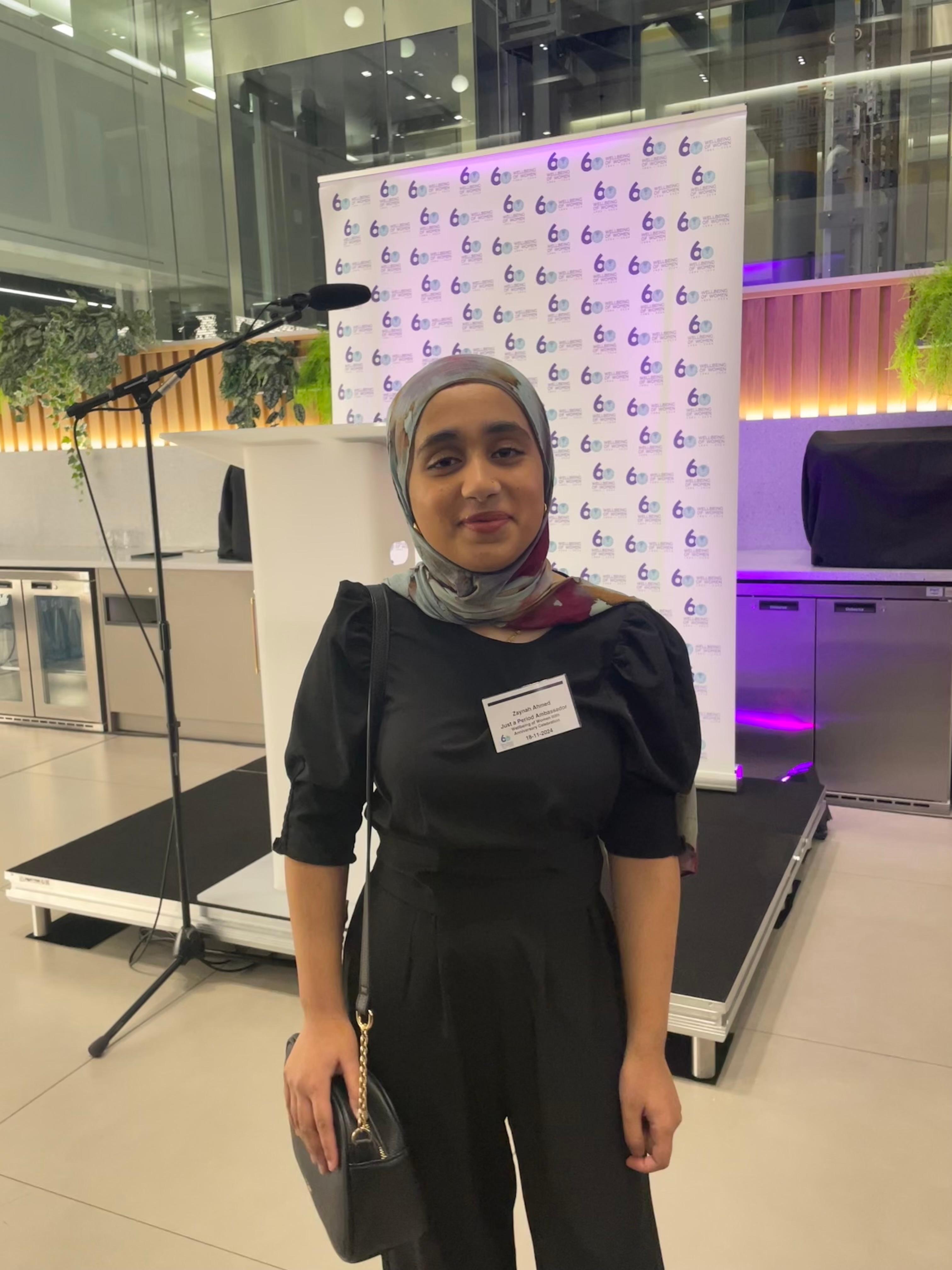 “I had very mixed emotions. My biggest fear going into my laparoscopy was that if I wake up and they've said that there's nothing there, what am I going to do? Where do I go from there?”
“I wouldn't say it was a good feeling, but it was a relief to know that I did actually have endometriosis when I did wake up. I had seen quite a few different doctors and they all said that I was just too young.”
Zaynah, who is now 19 and studying to be a journalist at City University, was fitted with a coil in 2023. She also follows a special diet and exercise regime to help manage her symptoms.
She said: “The pain isn't 24/7 anymore. It’s allowed me to be able to do a lot more and just be awake longer, enjoy things a lot more.”
Taking part in research
To help others in a similar situation, Zaynah got involved in a research project that aims to improve care for young people living with period pain.
The study hopes to better understand the experiences of teenagers who go to the GP about period pain and what treatment they receive. From the research, the study team aims to develop guidance for GPs, as well as resources for adolescents so that they can feel confident to talk to school nurses and GPs.
As part of participating in research, Zaynah has been interviewed about her experience and asked for advice about what could help support teens and young women like her.
She said: “It was really important to me to speak up and give back. I thought about what I would have wanted to see when I Googled it. We all do it. Think about if there was someone else suffering the way you are - if your story came up that could be really helpful to them.”
How you can get involved with research
Sign up to Be Part of Research to be contacted about a range of health and care research. Or check out our full list of studies to see if one is right for you.
And if taking part in a study doesn’t feel right at the moment there are other ways to get involved in research.