
Sabrina’s story
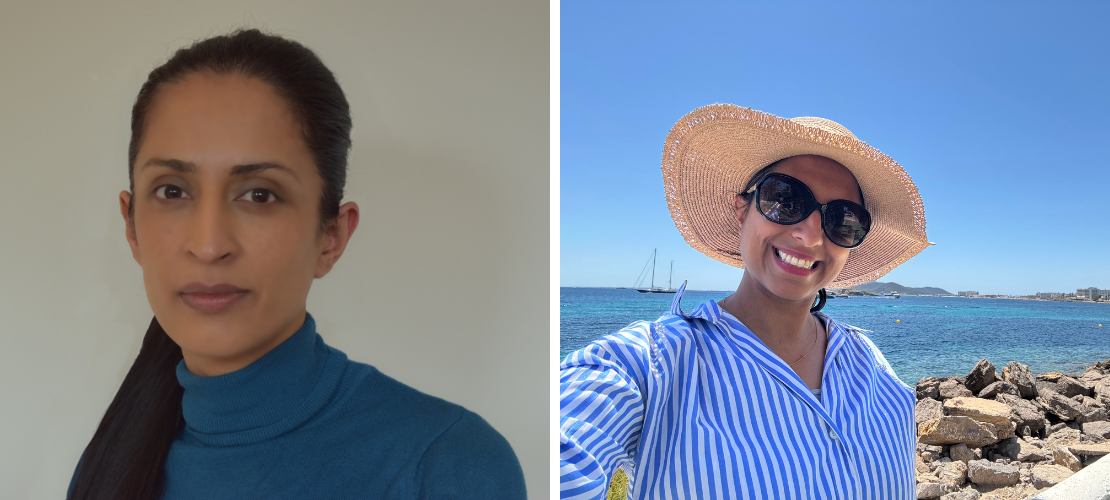
When Sabrina’s brother died unexpectedly, she realised that 3 generations of her family urgently needed professional bereavement support. But she “hit a brick wall” looking for help that was culturally and religiously appropriate.
She said: “In Pakistani families, grief is communal – everyone is involved. When someone dies, the whole community shows up, and there are religious rituals that must be observed.”
But Sabrina found herself having to explain the basics of her culture and religion to NHS bereavement services.
“When someone you love dies, you're exhausted, you're fragile. Having to educate professionals on your cultural and religious needs just adds to the burden. Bereavement services need to recognise and respect these practices.”
Sabrina, an NHS consultant, couldn’t find bereavement services that met the needs of her family. So she and her team applied for funding to study the issue further.
She said: “Even as a healthcare professional who understands how to navigate the system, I couldn’t find services that met our needs. It made me realise how much harder it must be for others in my community—and in other diverse communities across the UK—who may be struggling in silence.”
The ‘NIHR Equitable Bereavement Care for All’ study aims to understand the bereavement needs of diverse groups. It also aims to map existing services, and recommend improved equity in bereavement support to the government. It is led by Sabrina, and her colleague, Dr Catriona Mayland.
With 121 participants from 9 different ethnicities, it is the largest-ever qualitative study of ethnically diverse participants in UK healthcare history.
When Sabrina announced the study on social media, sharing her personal story, the post garnered over 80,000 views, including from Rammi.
Rammi’s story
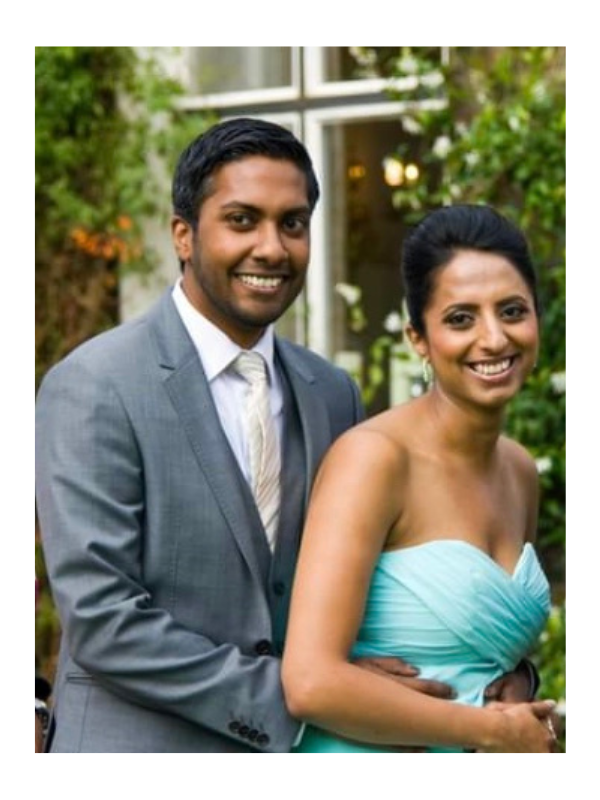
Rammi, a communications consultant from London, lost her husband, Tyrone, to a brain tumour in her mid-30s. As a young South Asian widow, she felt very isolated and unsupported. While Tyrone was well looked after by the palliative care system, Rammi said there was a lack of signposting for her own mental health needs after he died.
“I didn't have anybody in the same boat as me. And you weren't really reached out to. How you were going to cope wasn't something that was ever discussed.”
She experienced a shortage of adequate support services, a lack of workplace and community support, and challenges from differing cultural expectations around death and funerals.
“Tyrone was born a Hindu man and he was aware of his faith. But he wasn't a practicing Hindu. During his palliative care he'd never made any statements as to how he wanted his funeral to be, because as a young man he never actually thought he was going to pass away.”
“My late husband's family preferred a Hindu funeral. But that's not the man I knew. As a modern young Asian that's not my experience of how I wanted the funeral to be. It would have been helpful to have support to navigate those nuances.”
Touched by Sabrina’s post, Rammi reached out and was invited to take part in the study. It consisted of one-to-one interviews and group discussions. People from various ethnic backgrounds took part. This included Pakistani, Indian, Bangladeshi, Black African, Black Caribbean, Chinese, Arab and Polish.
How you can get involved with research
Sign up to Be Part of Research to be contacted about a range of health and care research. Or check out our full list of studies to see if one is right for you.
And if taking part in a study doesn’t feel right at the moment there are other ways to get involved in research.