
This article was originally written on 20 May 2026
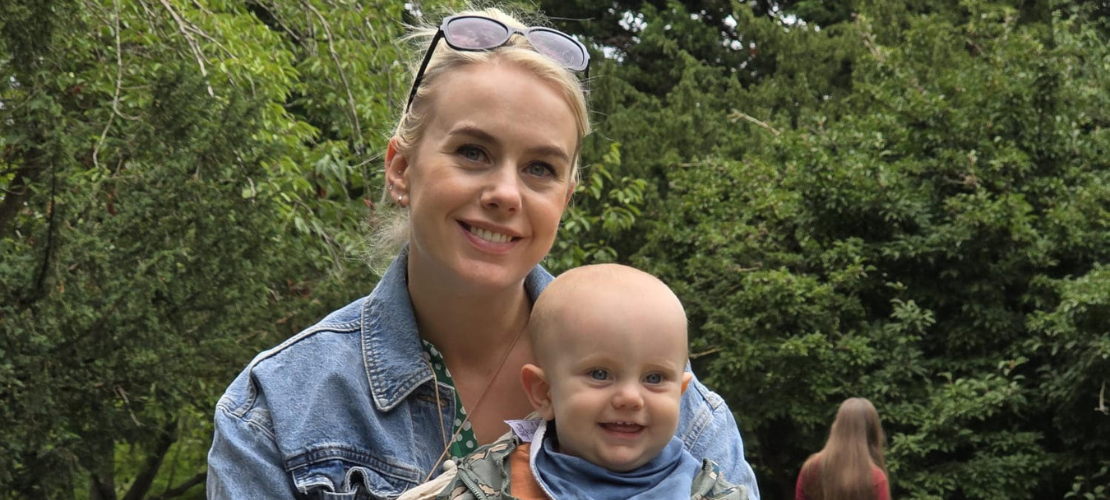
Paula Shirley, 36, is currently pregnant with her fifth child. She joined the trial after her second child was left fighting for breath during a previous winter outbreak.
Her decision to take part was driven by a frightening experience with her son, who was hospitalised with RSV-induced bronchiolitis.
RSV causes coughs and colds. Infections usually get better by themselves, but can sometimes be serious for babies.
In babies, it is also a common cause of bronchiolitis. This can cause breathing problems and may need to be treated in hospital.
Paula said: “My son ended up in hospital for 5 days requiring oxygen. As a mother, hearing words like ‘intubation’ and ‘high flow’ while your child is struggling to breathe is a terrifying experience. It affected him for years after and he was left with a wheeze whenever he got a cold.
“When I heard about this study, I instantly knew how important it was to participate. My baby girl is due in June, so she will be 4 months old right at the start of winter. Taking part gives me an extra set of clinical eyes looking in on our care, and it feels like I’m giving something back.” 
The study, named PIPELINE-RSV International Trial, is part of a European-wide effort to protect babies from the virus, with the UK being the first country in the world to begin recruiting participants.
It aims to identify the most effective way to protect newborns from RSV - the leading cause of infant hospitalisations globally - before they get ill.
Participants in the trial are randomised into 2 groups. The ‘standard care’ group receives the maternal RSV vaccine now offered to pregnant individuals in the UK.
The ‘research’ group receives the vaccine plus an additional preventative treatment (a monoclonal antibody) for the baby at 4 months old. This monoclonal antibody is already used routinely in multiple European countries.
Paula, a nurse practitioner in major trauma, said: “Having a child during the pandemic, and working as an intensive care nurse at the time, I’ve seen the pressure the NHS faces. If this helps us learn from COVID-19 and protects another family from the experience we had with RSV, then it is incredibly important.”
How you can get involved with research
Sign up to Be Part of Research to be contacted about a range of health and care research. Or check out our full list of studies to see if one is right for you.
And if taking part in a study doesn’t feel right at the moment there are other ways to get involved in research.