

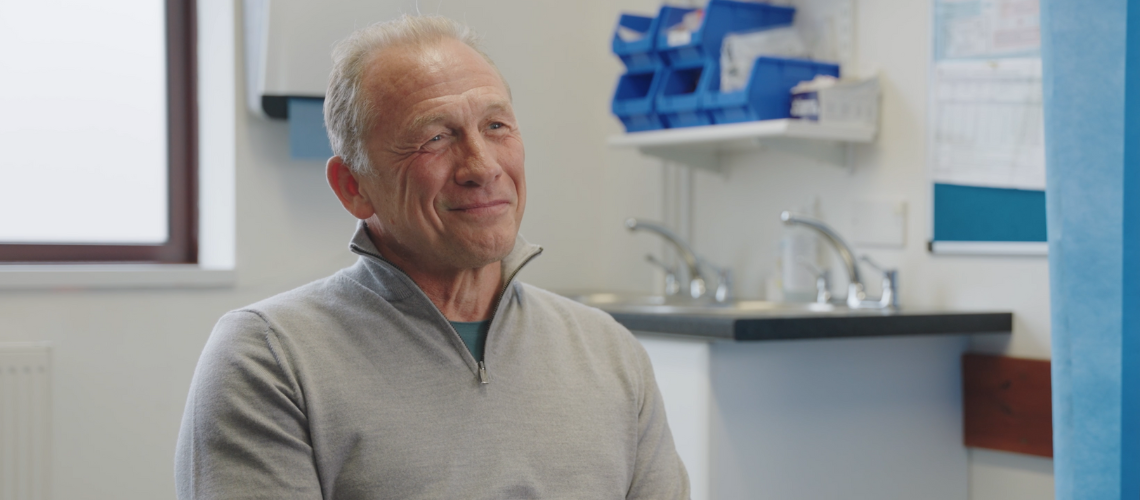
Mike had a heart attack when he was just 31, even though he was fit and played rugby. Since then, he’s been keeping a close eye on his heart and cholesterol levels.
When he visited his GP for a check-up, a doctor told him about a new trial. It was testing 2 different medicines to lower cholesterol.
Mike, now 66, read through all the information and spoke to his own heart doctor before deciding to join. “I liked that there were no fake treatments, called placebos,” he said. “Both medicines in the trial help lower cholesterol.”
He also liked that he would get to speak to a nurse and doctor each month during the trial.
“I get up to half an hour with medical staff every month. That’s really valuable. It gives me time to focus on my own health.”
- Mike
So far, Mike has had no major side effects—just a small itch around the injection spot. He feels like the treatment is helping, but he knows you can’t always feel changes in cholesterol straight away.
Mike says taking part in the trial has also helped him learn more about eating well and looking after himself. “It gave me the push to read up on what I can do to help my health,” he said.
Clinical trials help test if new medicines work and are safe. People like Mike volunteer to help scientists and doctors learn more. “I hope what I’m doing now will help others in the future,” he said.
Mike also liked that the trial took place at his local GP surgery. “If I’d had to travel to a big hospital, I might not have taken part,” he said. “Being able to do it locally made a big difference.”
Now, 5 months into the year-long trial, Mike says it’s been a really good experience. “I’d definitely give it a thumbs up,” he said.
Watch Mike's story
How you can get involved with research
Sign up to Be Part of Research to be contacted about a range of health and care research. Or check out our full list of studies to see if one is right for you.
And if taking part in a study doesn’t feel right at the moment there are other ways to get involved in research.