
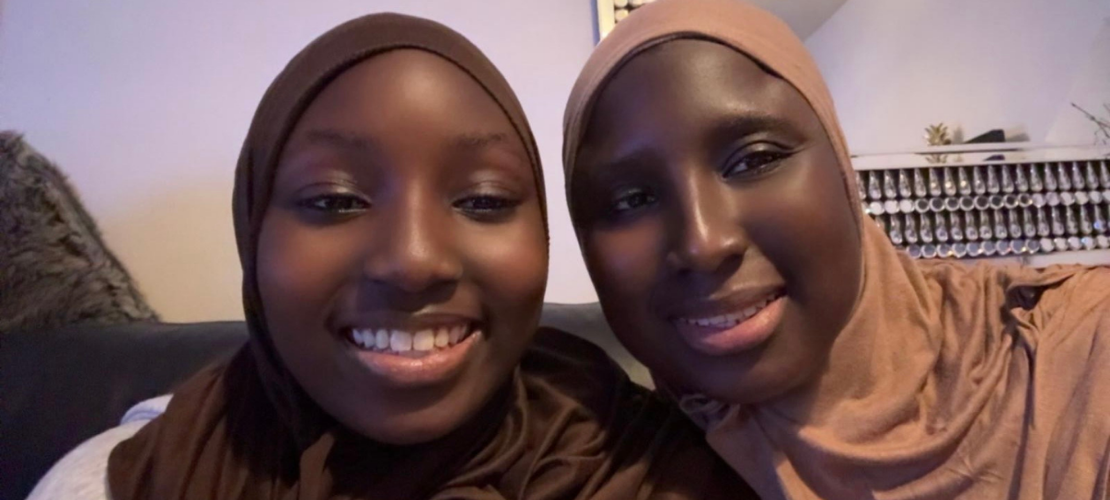
For Fatima, a teacher from South London, her daughter’s diagnosis of sickle cell disease came as a complete shock. She was diagnosed when she was just one month old. Regular hospital trips completely disrupted family life.
Fatima said: “The constant cycle of going to and from the hospital was very difficult. I couldn’t work full-time or plan for anything. We spent every holiday of Aminah’s early childhood in the hospital.”
Sickle cell disease is a group of inherited genetic conditions that affect red blood cells. It is particularly common in people with an African or Caribbean family background.
People with sickle cell disease produce unusually shaped red blood cells that can cause problems. This is because they do not live as long as healthy blood cells and can block blood vessels.
The symptoms vary from person to person. They can include severe pain and anaemia, which causes tiredness and shortness of breath.
As she navigated the healthcare system, Fatima began to notice a troubling gap. Much of the medical world isn't built with Black communities in mind.
The majority of genetic research is based on European ancestry. Diagnostic tools and treatments for conditions like blood pressure, diabetes, kidney disease, and even sickle cell may not be as effective for those of African or Caribbean heritage.
Fatima realised that for her daughter and others to have the best possible future, the science behind her care needed to catch up. She therefore decided to join the Improving Black Health Outcomes (IBHO) BioResource.
IBHO is a health research programme focused on improving knowledge and understanding of health conditions and their unique impacts on UK Black communities.
For Fatima, joining the programme was more than just a contribution to research. It was a promise to her daughter. By taking part in the programme, Fatima is helping to ensure that no child is left behind by medical science.
Volunteers like Fatima are providing the vital blueprint researchers need to develop tailored treatments. Doctors can then better understand the unique health and lifestyle of people from Black communities.
Fatima said: “Because of research and resources from other people, I was able to look after my daughter, who is now in secondary school. The IBHO programme will help other Black children and families who come after me. I feel very proud to be part of this research and to be helping future generations.”
How you can get involved with research
Sign up to Be Part of Research to be contacted about a range of health and care research. Or check out our full list of studies to see if one is right for you.
And if taking part in a study doesn’t feel right at the moment there are other ways to get involved in research.